Bringing New Methods to the Seed Proteomics Platform: Challenges and Perspectives

Bringing New Methods to the Seed Proteomics Platform: Challenges and Perspectives

For centuries, crop vegetation have represented the foundation of the day by day human food plan. Among them, cereals and legumes, accumulating oils, proteins, and carbohydrates of their seeds, distinctly dominate fashionable agriculture, thus play an important position in meals business and gas manufacturing. Therefore, seeds of crop vegetation are intensively studied by meals chemists, biologists, biochemists, and dietary physiologists. Accordingly, seed growth and germination in addition to age- and stress-related alterations in seed vigor, longevity, dietary worth, and security may be addressed by a broad panel of analytical, biochemical, and physiological strategies. Currently, practical genomics is one in every of the strongest instruments, giving direct entry to attribute metabolic adjustments accompanying plant growth, senescence, and response to biotic or abiotic stress.

Among particular person post-genomic methodological platforms, proteomics represents one in every of the best ones, giving entry to mobile metabolism at the stage of proteins. During the latest many years, a number of methodological advances had been launched in several branches of life science, though solely a few of them had been established in seed proteomics to this point. Therefore, right here we focus on important methodological approaches already employed in seed proteomics, in addition to these nonetheless ready for implementation on this area of plant analysis, with a particular emphasis on pattern preparation, information acquisition, processing, and post-processing. Thereby, the general aim of this overview is to carry new methodologies rising in several areas of proteomics analysis (medical, meals, ecological, microbial, and plant proteomics) to the broad society of seed biologists.

Comparative Multiplexed Interactomics of SARS-CoV-2 and Homologous Coronavirus Nonstructural Proteins Identifies Unique and Shared Host-Cell Dependencies

Human coronaviruses (hCoVs) have turn into a risk to world well being and society, as evident from the SARS outbreak in 2002 attributable to SARS-CoV-1 and the most up-to-date COVID-19 pandemic attributable to SARS-CoV-2. Despite a excessive sequence similarity between SARS-CoV-1 and -2, every pressure has a particular virulence. A greater understanding of the primary molecular mechanisms mediating adjustments in virulence is required. Here, we profile the virus-host protein-protein interactions of two hCoV nonstructural proteins (nsps) which are important for virus replication. We use tandem mass tag-multiplexed quantitative proteomics to sensitively examine and distinction the interactomes of nsp2 and nsp4 from three betacoronavirus strains: SARS-CoV-1, SARS-CoV-2, and hCoV-OC43-an endemic pressure related to the frequent chilly. This method allows the identification of each distinctive and shared host cell protein binding companions and the potential to additional examine the enrichment of frequent interactions throughout homologues from associated strains.

We determine frequent nsp2 interactors concerned in endoplasmic reticulum (ER) Ca2+ signaling and mitochondria biogenesis. We additionally determine nsp4 interactors distinctive to every pressure, resembling E3 ubiquitin ligase complexes for SARS-CoV-1 and ER homeostasis elements for SARS-CoV-2. Common nsp4 interactors embody N-linked glycosylation equipment, unfolded protein response related proteins, and antiviral innate immune signaling elements. Both nsp2 and nsp4 interactors are strongly enriched in proteins localized at mitochondria-associated ER membranes suggesting a brand new practical position for modulating host processes, resembling calcium homeostasis, at these organelle contact websites. Our outcomes make clear the position these hCoV proteins play in the an infection cycle, in addition to host elements which will mediate the divergent pathogenesis of OC43 from SARS strains. Our mass spectrometry workflow allows fast and sturdy comparisons of a number of bait proteins, which may be utilized to extra viral proteins. Furthermore, the recognized frequent interactions could current new targets for exploration by host-directed antiviral therapeutics
Bringing New Methods to the Seed Proteomics Platform: Challenges and Perspectives

How to outwit nature: Omics perception into butanol tolerance

The vitality disaster, depletion of oil reserves, and world local weather adjustments are urgent issues of developed societies. One chance to counteract that’s microbial manufacturing of butanol, a promising new gas and various to many petrochemical reagents. However, the excessive butanol toxicity to all recognized microbial species is the important impediment to its industrial implementation. The current state of the artwork overview goals to expound the latest advances in fashionable omics approaches to resolving this insurmountable to date drawback of low butanol tolerance. Genomics, transcriptomics, and proteomics present that butanol tolerance is a posh phenomenon affecting a number of genes and their expression.

[Linking template=”default” type=”products” search=”Human Serum Albumin antibody” header=”1″ limit=”143″ start=”2″ showCatalogNumber=”true” showSize=”true” showSupplier=”true” showPrice=”true” showDescription=”true” showAdditionalInformation=”true” showImage=”true” showSchemaMarkup=”true” imageWidth=”” imageHeight=””]

Efflux pumps, stress and multidrug response, membrane transport, and redox-related genes are indicated as being most vital throughout butanol problem, as well as to fine-tuning of world regulators of transcription (Spo0A, GntR), which can additional enhance tolerance. Lipidomics exhibits that the alterations in membrane composition (saturated lipids and plasmalogen enhance) are very a lot species-specific and butanol-related. Glycomics discloses the pleiotropic impact of CcpA, the position of other sugar transport, and the manufacturing of exopolysaccharides as various routes to overcoming butanol stress. Unfortunately, the pressure that concurrently syntheses and tolerates butanol in concentrations that permit its commercialization has not but been found or produced. Omics perception will permit the purposeful enhance of butanol tolerance in pure and engineered producers and the efficient heterologous expression of artificial butanol pathways in strains hereditary butanol-resistant up to 3.2 – 4.9% (w/v). Future breakthrough may be achieved by an in depth research of the membrane proteome, of which 21% are proteins with unknown capabilities.

Iron Limitation in Klebsiella pneumoniae Defines New Roles for Lon Protease in Homeostasis and Degradation by Quantitative Proteomics.

Iron Limitation in Klebsiella pneumoniae Defines New Roles for Lon Protease in Homeostasis and Degradation by Quantitative Proteomics.

Nutrient adaptation is vital in limiting environments for the promotion of microbial progress and survival. In microbial techniques, iron is a vital part for many mobile processes, and bioavailability varies drastically amongst completely different situations.

In the bacterium, Klebsiella pneumoniae, the affect of iron limitation is thought to change transcriptional expression of iron-acquisition pathways and affect secretion of iron-binding siderophores, nonetheless, a complete view of iron limitation on the protein stage stays to be outlined.

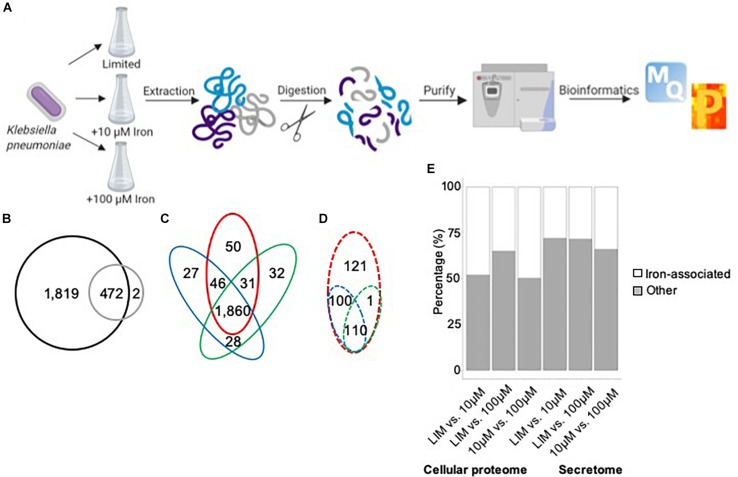
Here, we apply a mass-spectrometry-based quantitative proteomics technique to profile the worldwide affect of iron limitation on the mobile proteome and extracellular setting (secretome) of Ok. pneumoniae.

Our information outline the affect of iron on proteins concerned in transcriptional regulation and emphasize the modulation of an enormous array of proteins related to iron acquisition, transport, and binding. We additionally establish proteins in the extracellular setting related to typical and non-conventional modes of secretion, in addition to vesicle launch. In specific, we show a brand new function for Lon protease in selling iron homeostasis outdoors of the cell.

Characterization of a Lon protease mutant in Ok. pneumoniae validates roles in bacterial progress, cell division, and virulence, and uncovers novel degradation candidates of Lon protease related to improved iron utilization methods in the absence of the enzyme. Overall, we offer proof of distinctive connections between Lon and iron in a bacterial system and counsel a brand new function for Lon protease in the extracellular setting throughout nutrient limitation.

Iron Limitation in Klebsiella pneumoniae Defines New Roles for Lon Protease in Homeostasis and Degradation by Quantitative Proteomics.

Proteomic evaluation of mixed IGF1 receptor focused remedy and chemotherapy identifies signatures related to survival in breast most cancers sufferers.

Clinical, epidemiological and experimental information recognized the insulin-like progress factor-1 receptor (IGF1R) as a candidate therapeutic goal in oncology.

While this paradigm is predicated on well-established organic information, together with the potent anti-apoptotic and cell survival capabilities of the receptor, most Phase III medical trials designed to focus on the IGF1R led to disappointing outcomes. The current research was geared toward evaluating the speculation that mixed remedy composed of selective IGF1R inhibitor together with classical chemotherapy is perhaps simpler than particular person monotherapies in breast most cancers remedy.

Analyses included complete measurements of the synergism achieved by varied mixture regimens utilizing the CompuSyn software program. In addition, proteomic analyses had been performed to establish the proteins concerned in the synergistic killing impact at a world stage.

Data introduced right here demonstrates that co-treatment of IGF1R inhibitor together with chemotherapeutic medication markedly improves the therapeutic effectivity in breast most cancers cells.

Of medical relevance, our analyses point out that prime IGF1R baseline expression could function a predictive biomarker for IGF1R focused remedy. In addition, we recognized a ten-genes signature with potential predictive worth. In conclusion, using a sequence of bioinformatics instruments make clear a number of the organic pathways that is perhaps accountable for synergysm in most cancers remedy.

Detection of superoxide dismutase (Cu-Zn) isoenzymes in leaves and pseudobulbs of Bulbophyllum morphologlorum Kraenzl orchid by comparative proteomic analysis.

Detection of superoxide dismutase (Cu-Zn) isoenzymes in leaves and pseudobulbs of Bulbophyllum morphologlorum Kraenzl orchid by comparative proteomic analysis.

Typically, organic methods are shielded from the poisonous impact of free radicals by antioxidant protection. Extracts from orchids have been reported to point out excessive ranges of exogenous antioxidant exercise together with Bulbophyllum orchids however thus far, there have been no reviews on antioxidant enzymes.

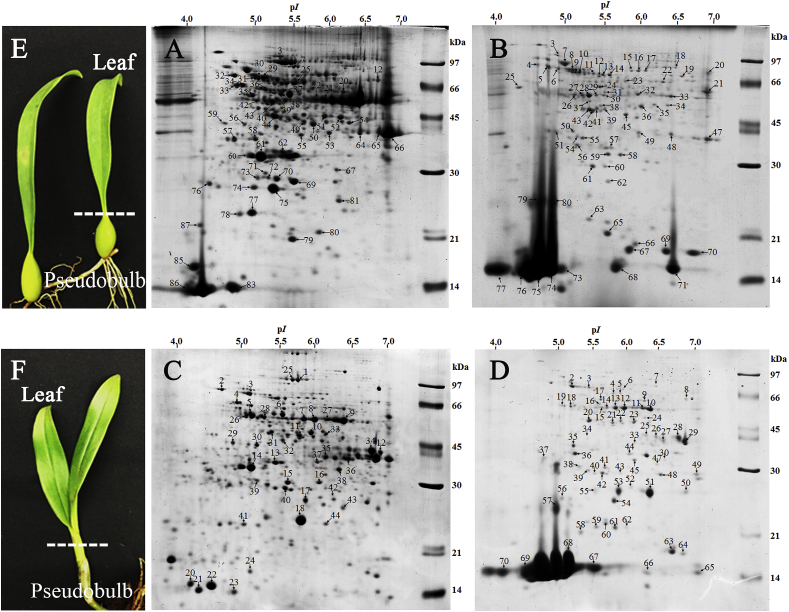
Therefore, variations in protein expression from leaves and pseudobulbs of Bulbophyllum morphologlorum Kraenzl and Dendrobium Sonia Earsakul had been studied utilizing two-dimensional gel electrophoresis and mass spectrometry (LC/MS/MS).

Interestingly, the most important group of these stress response proteins had been related to antioxidant protection and temperature stress, together with superoxide dismutase (Cu-Zn) and warmth shock protein 70. The excessive expression of this antioxidant enzyme from Bulbophyllum morphologlorum Kraenzl was confirmed by exercise staining on native-PAGE, and the 2 Cu/Zn-SODs isoenzymes had been recognized as Cu/Zn-SOD 1 and Cu/Zn-SOD 2 by LC/MS/MS.

The outcomes recommended that Bulbophyllum orchid is usually a potential plant supply for medicines and pure antioxidant dietary supplements.

Detection of superoxide dismutase (Cu-Zn) isoenzymes in leaves and pseudobulbs of Bulbophyllum morphologlorum Kraenzl orchid by comparative proteomic analysis.
Detection of superoxide dismutase (Cu-Zn) isoenzymes in leaves and pseudobulbs of Bulbophyllum morphologlorum Kraenzl orchid by comparative proteomic evaluation.

Proteomic characterization of broken single hairs recovered after an explosion for protein-based human identification.

Evidence restoration is difficult the place an explosion has occurred. Though hair proof could also be sufficiently sturdy to be recovered on the web site, forensic evaluation underutilizes the matrix by counting on morphological evaluation. Where DNA is compromised, notably in hair, protein-based human identification presents a promising different.

Detection of amino acid polymorphisms in hair proteins as genetically variant peptides (GVPs) permits inference of individualizing single nucleotide polymorphisms for identification. However, an explosive blast might injury hair proteins and compromise GVP identification.

This work assesses results of an explosive blast on the hair proteome and GVP identification, investigates microscopy as a predictor of proteome profiling success in recovered hairs to enhance evaluation throughput, and quantifies discriminative energy in broken hairs. The proteomics dataset has been deposited into the ProteomeXchange Consortium (PXD017427).

With the exception of degradation in keratins Ok75, Ok80, Ok40, and keratin-associated protein KAP10-11 as markers of hair cuticular injury, corroborated by scanning electron microscopic evaluation, minimal hair proteome degradation following explosion allowed profitable proteome profiling of single hairs regardless of morphological injury.

Finally, GVP identification remained impartial of explosion circumstances, allowing comparable discriminative energy between exploded and undamaged hairs. These findings lend better confidence to GVP evaluation in one-inch hairs for forensic identification and present details about hair protein localization.

Anterior segment alterations and comparative aqueous humor proteomics in the buphthalmic rabbit (an American Ophthalmological Society thesis).

Anterior segment alterations and comparative aqueous humor proteomics in the buphthalmic rabbit (an American Ophthalmological Society thesis).

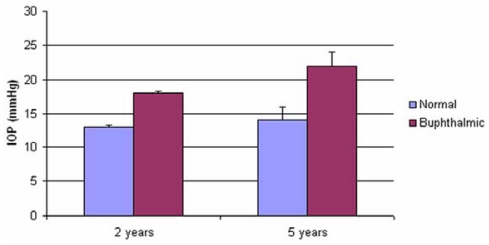
OBJECTIVETo use an built-in proteohistologic method to realize perception into the anterior segment alterations in the buphthalmic rabbit.METHODSEyes from 2- and 5-year-old buphthalmic and regular rabbits (n=20) had been studied histologically.

Liquid chromatography-tandem mass spectrometry (LC-MS/MS) of aqueous humor (AH) was used to find out differential protein expression between animal teams. Western blot and immunohistochemistry had been carried out on chosen differentially expressed proteins recognized by LC-MS/MS.RESULTSThe buphthalmic rabbits manifested a gentle scientific phenotype with typical angle anomalies that appeared progressive by histology.

Significantly thickened Descemet’s membrane (DM) and anterior lens capsule in all buphthalmic rabbits confirmed elevated fibronectin and collagen-IV immunolabeling. LC-MS/MS making use of stringent filtering standards revealed vital differential expression of a number of AH proteins in these rabbits.

The protein of curiosity in the 2-year-old group was histidine-rich glycoprotein, and these in the 5-year-old group included alpha-2-HS-glycoprotein, clusterin, apolipoprotein E, interphotoreceptor retinoid-binding protein, transthyretin, cochlin, gelsolin, haptoglobin, hemopexin, and beta-2 microglobulin. The proteomic information for chosen proteins was validated by Western blot and immunohistochemistry.

A variety of practical teams had been affected by the altered AH proteins. These included extracellular matrix modulation, regulation of apoptosis, oxidative stress, and protein transport. CONCLUSIONSMultiple anterior segment alterations had been histologically recognized in the buphthalmic rabbits that confirmed progressive modifications with age.

The differentially expressed AH proteins in these rabbits counsel a multifunctional position for AH in modulating pathologic modifications in DM, anterior lens capsule, and the angular meshwork in these animals.

Anterior segment alterations and comparative aqueous humor proteomics in the buphthalmic rabbit (an American Ophthalmological Society thesis).

Advancing mass spectrometry-based scientific proteomics in Saudi Arabia. Establishing a Saudi Proteomics Society.

Rapid developments in the discipline of mass spectrometry-based quantitative proteomic applied sciences holds nice promise in the seek for clinically helpful protein biomarkers for early detection, prognosis, and prognosis of illness in basic, and for monitoring response to remedy.

Proteomics could contribute to discovering novel drug targets and unravel molecular pathways related to illness.

Despite the utility of scientific proteomics to a large spectrum of illness analysis globally, nonetheless, there’s lack of knowledge with regard to quantitative proteomics in the Kingdom of Saudi Arabia (KSA) for the illnesses frequent to the Saudi inhabitants.

In this assessment due to this fact, we’ll talk about some elements of scientific proteomics with regard to the prevalence of frequent illnesses, and define our views and imaginative and prescient in the context of KSA. Furthermore, we purpose to introduce the idea of a nationwide Saudi Proteomics Society in the Kingdom as a part of a sophisticated analysis and improvement program.